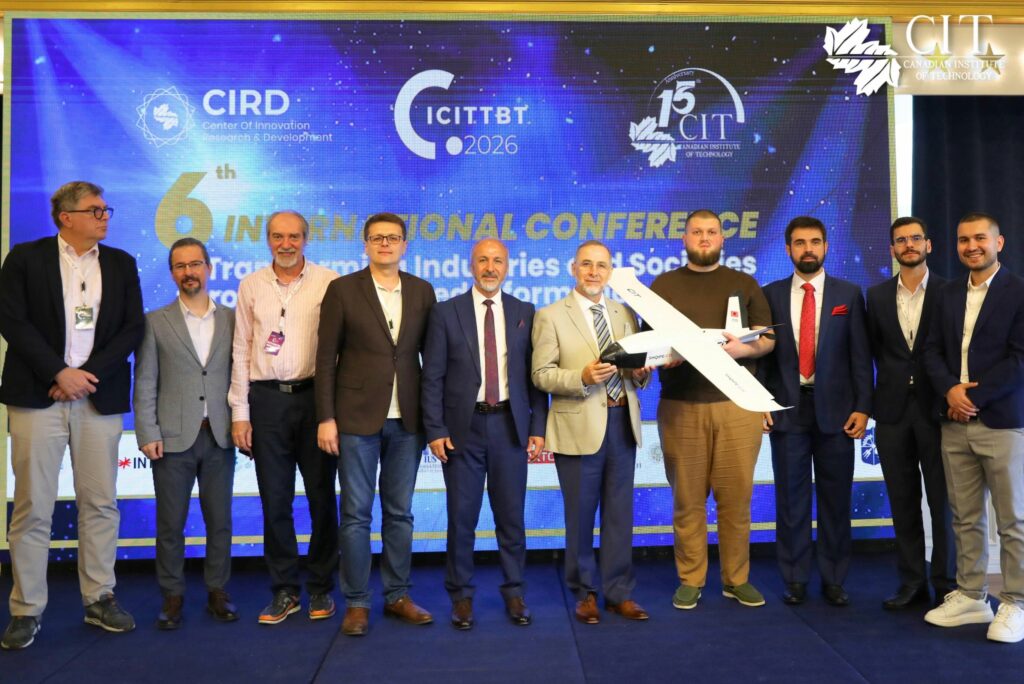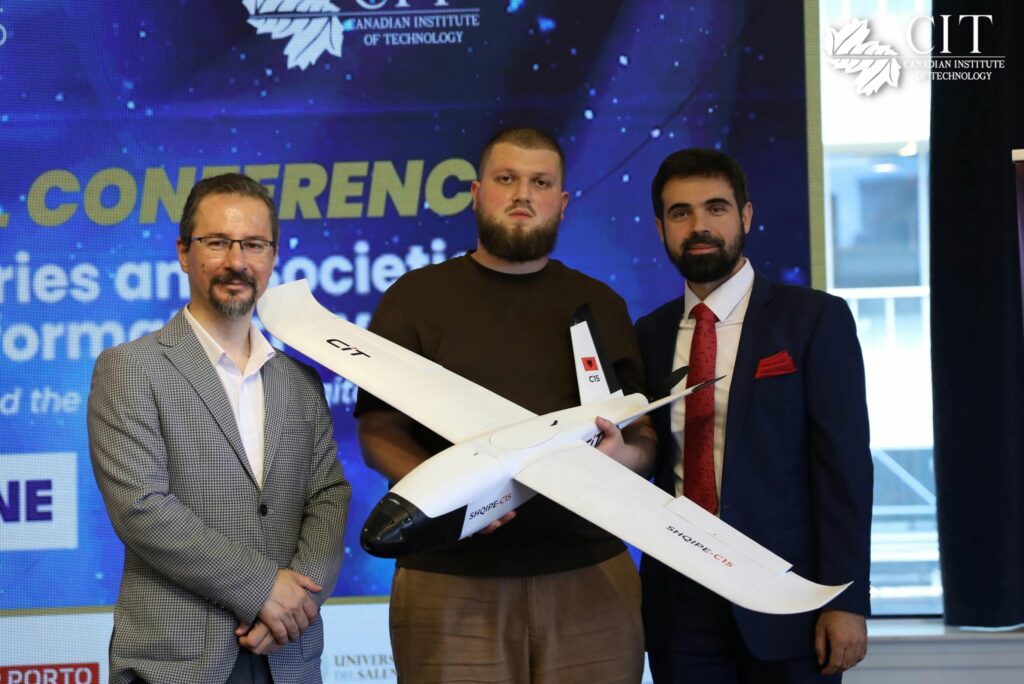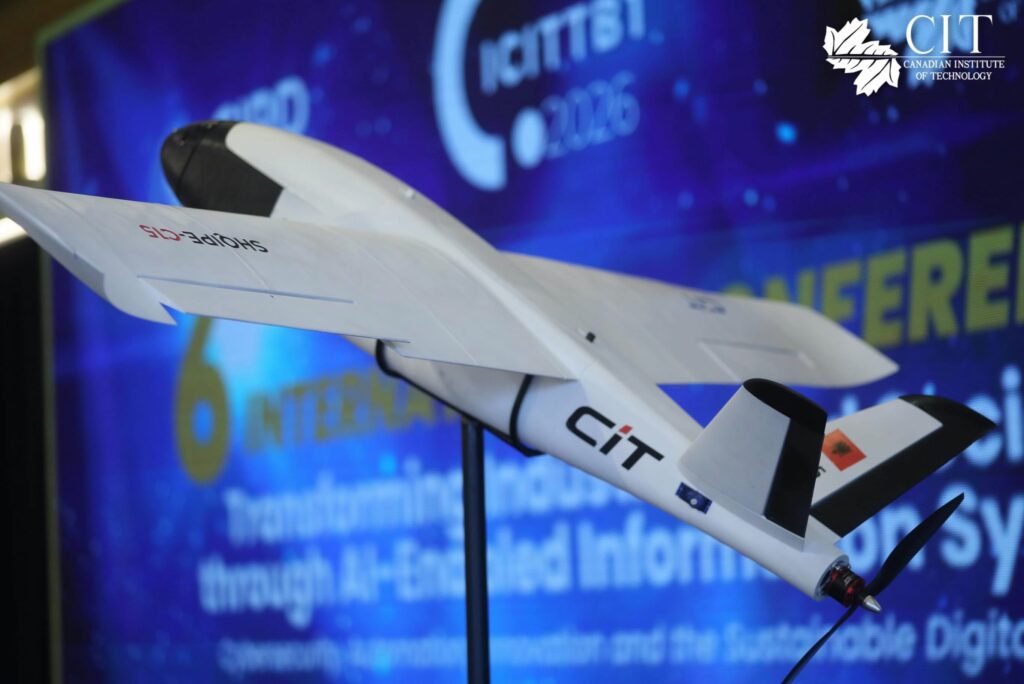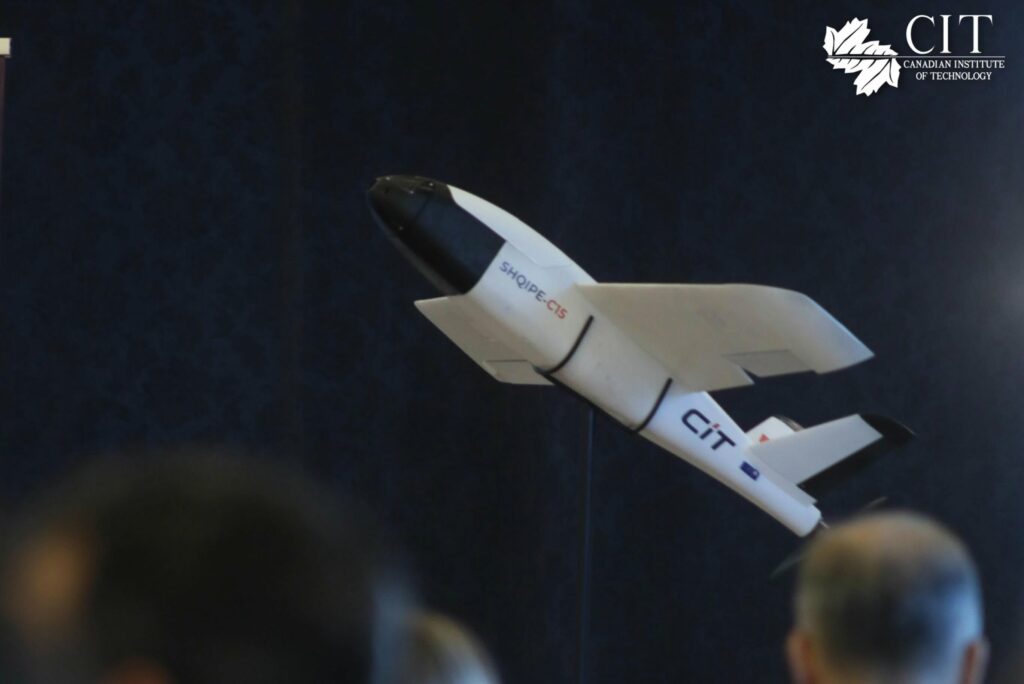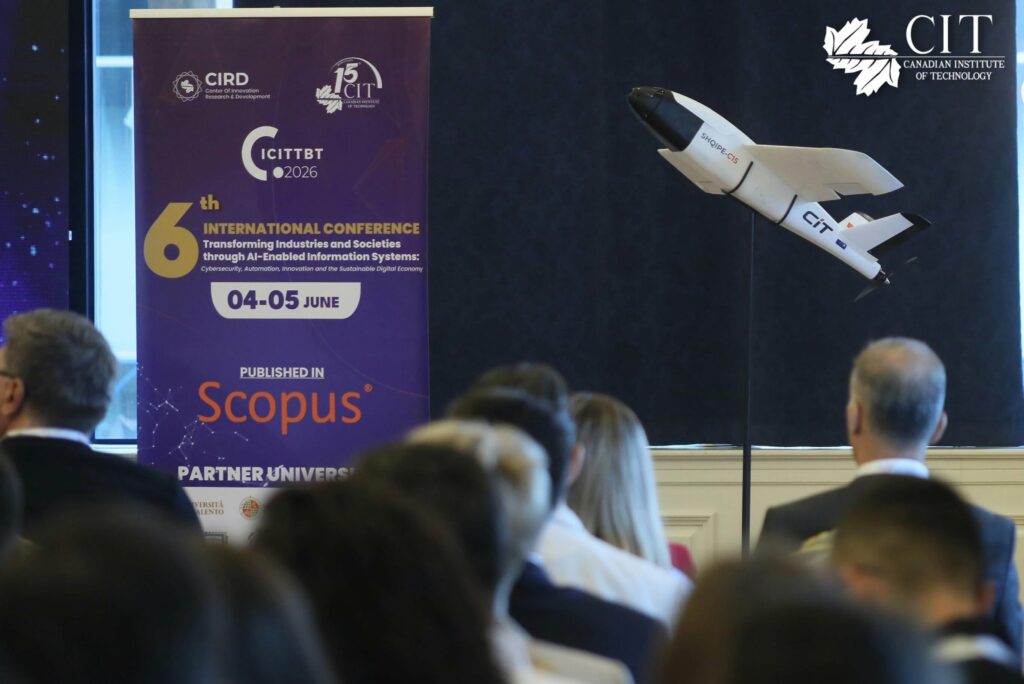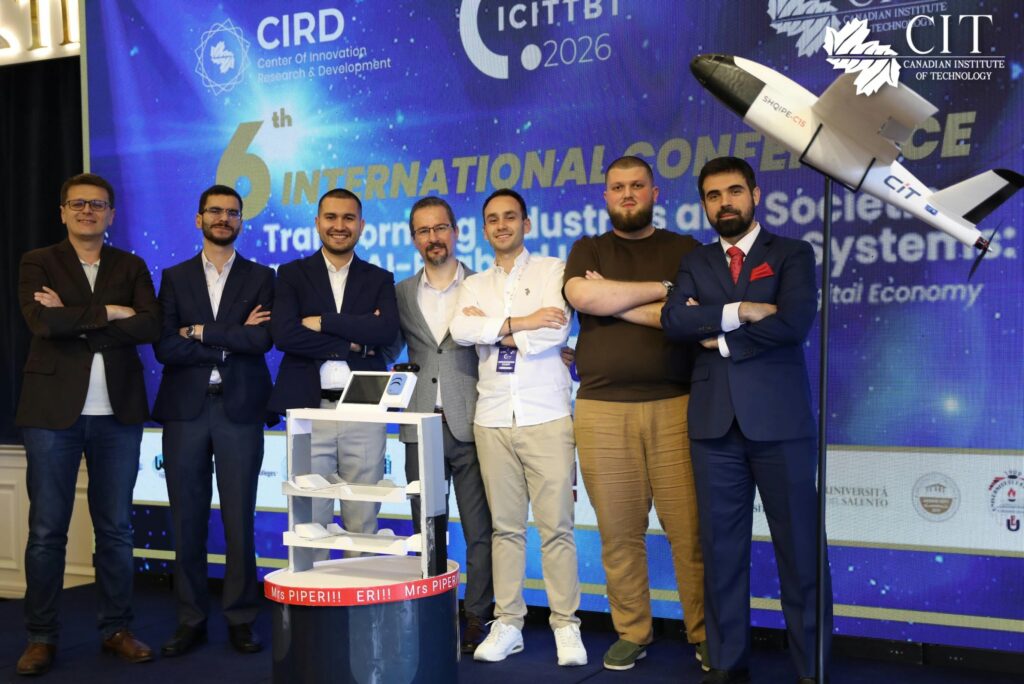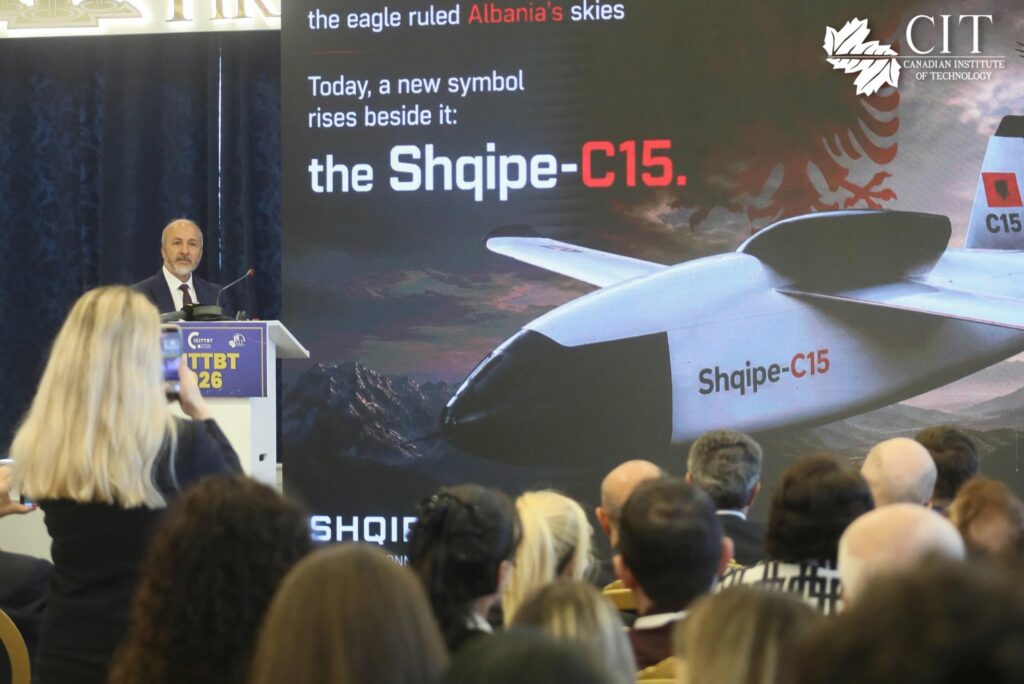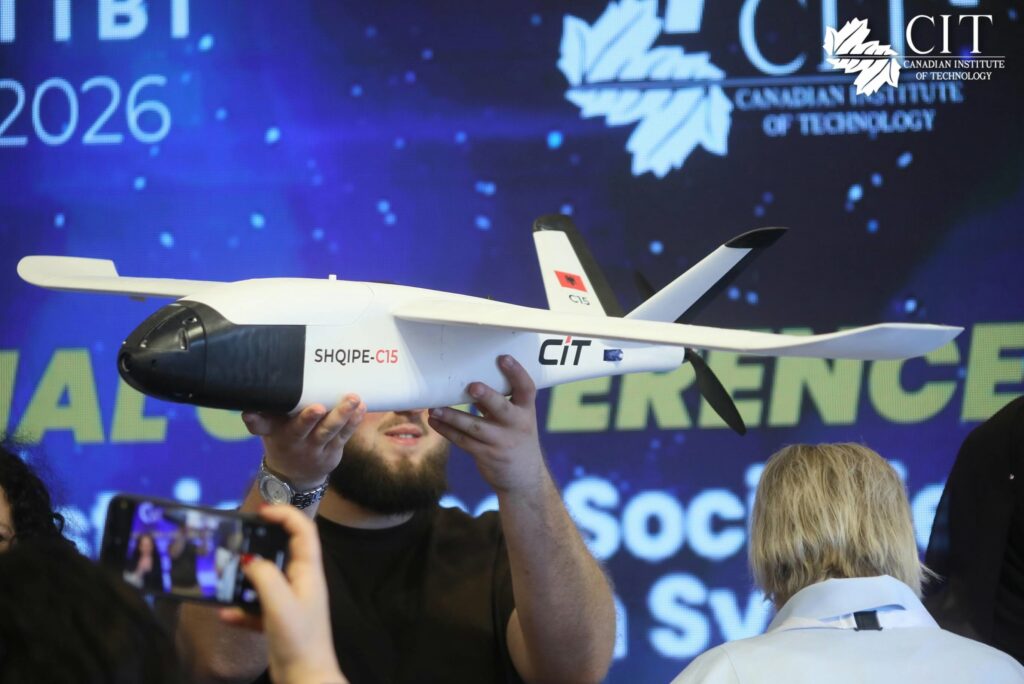
The Canadian Institute of Technology has unveiled Shqipe C-15, an advanced unmanned aerial vehicle (UAV) developed through the dedication, expertise, and innovation of its academic staff and students. The project represents a significant milestone in technological development and highlights CIT’s commitment to advancing engineering research and innovation in Albania.
Designed and developed at CIT, Shqipe C-15 reflects the institution’s vision of transforming ambitious ideas into practical technological solutions with the potential to contribute to the international research and innovation landscape. The drone combines advanced engineering principles with a focus on intelligence, precision, and performance, demonstrating the capabilities of emerging technologies in the field of autonomous systems.
The achievement is the result of continuous collaboration among CIT researchers, engineers, and students who have worked diligently on the project, driven by a shared commitment to innovation and technological excellence. Their efforts underscore the important role of higher education institutions in fostering creativity, research, and applied technological development.
More than a technological accomplishment, Shqipe C-15 symbolizes vision, perseverance, and the growing capacity of Albania’s next generation of engineers and innovators to contribute to the future of aerospace and autonomous technologies.
The project was presented during ICITTBT 2026 – the 6th International Conference on Transforming Industries and Societies through AI-Enabled Information Systems, offering participants an initial glimpse of the drone’s capabilities. The presentation marked the beginning of a new chapter for the initiative, with further demonstrations, flight footage, and technical showcases expected to be released in the near future.
As CIT continues to invest in research, innovation, and advanced technology development, Shqipe C-15 stands as a testament to the institution’s ambition to create solutions that extend beyond national borders and contribute to global technological progress.